TO-GCN 分析结果解读指南
1. 单时间序列分析简介
TO-GCN (Time-Ordered Gene Coexpression Network) 单时间序列分析专门用于分析单一实验条件下的时间序列转录组数据。该方法能够构建时间有序的基因共表达网络,揭示转录因子在时间维度上的调控层级关系。
核心优势: TO-GCN 单时间序列分析能够从单一条件的时间序列数据中推断转录因子的调控时序,无需跨条件比较,特别适用于研究单一生物过程的动态调控机制。
2. 单时间序列结果文件说明
2.1 网络结构图 (TO_GCN_Structure.svg)
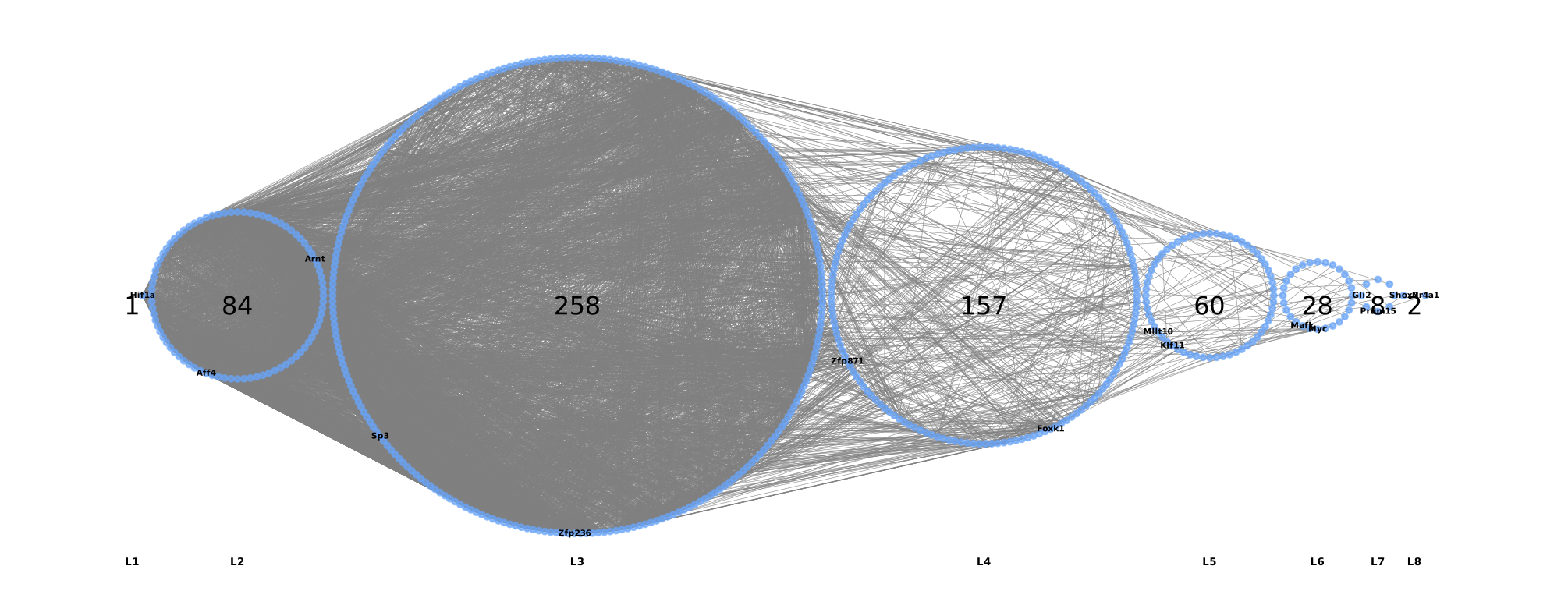
图1: TO-GCN 网络结构图展示转录因子在不同调控层级(L1, L2, L3...)的分布
该图展示了构建的时间有序基因共表达网络,其中:
- 节点:代表转录因子(TF)基因
- 边:代表基因间的共表达关系
- 层级(L1, L2, L3...):表示转录因子的调控时序,L1为最早调控的转录因子
- 节点标签:每个层级中连接度最高的前两个转录因子会被标注
- 圆圈大小:每个层级圆圈的大小表示该层级包含的转录因子数量
- 圆圈中心数字:表示该层级包含的转录因子数量
2.2 表达热图 (Heatmap.svg)
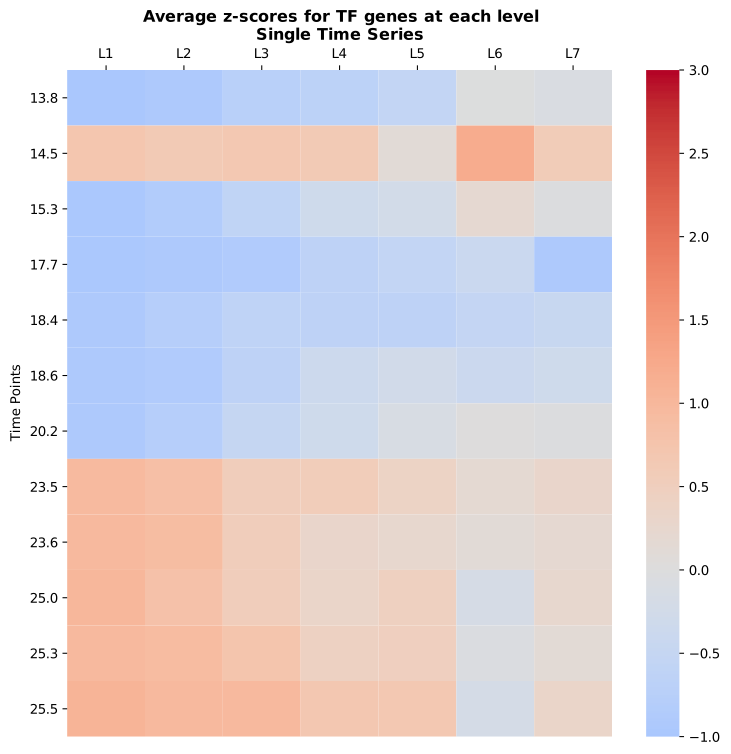
图2: 各层级转录因子的平均表达模式热图(单时间序列)
该热图展示了在单时间序列实验中,各层级转录因子的平均表达模式:
- X轴:表示不同的调控层级(L1, L2, L3...)
- Y轴:表示时间点(按时间顺序排列)
- 颜色强度:表示标准化后的表达水平(z-score)
2.3 网络节点文件 (nodes.xls)
该文件包含网络中所有转录因子节点的详细信息:
| TF gene ID | Level | Degree |
|---|---|---|
| Gene001 | L1 | 15 |
| Gene002 | L2 | 8 |
| ... | ... | ... |
其中:
- TF gene ID:转录因子基因标识符
- Level:该基因在TO-GCN中的层级(调控时序)
- Degree:该基因在网络中的连接度,反映其重要性
2.4 网络边文件 (edges.xls)
该文件包含网络中所有连接关系(边)的详细信息:
| source | target | PCC_value |
|---|---|---|
| Gene001 | Gene005 | 0.89 |
| Gene001 | Gene012 | 0.85 |
| ... | ... | ... |
其中:
- source:源节点(转录因子)
- target:目标节点(转录因子)
- PCC_value:皮尔逊相关系数
2.5 基因层级文件 (all_genes_level.xls)
该文件包含所有基因(包括转录因子和非转录因子)的层级信息:
| Gene ID | is TF | Level |
|---|---|---|
| Gene001 | 1 | L1 |
| Gene005 | 0 | L2 |
| ... | ... | ... |
其中:
- Gene ID:基因标识符
- is TF:是否为转录因子, 1表示是, 0表示否
- Level:该基因在TO-GCN中的层级
2.6 参数文件 (parameters.xls)
记录分析过程中使用的重要参数,包括相关系数阈值、种子基因等。
3. 单时间序列结果生物学解读
3.1 调控时序推断
TO-GCN 的核心结果是构建了一个时间有序的调控网络:
- L1 层级:包含最早发挥调控作用的转录因子,通常是响应外部刺激的初始调控因子
- 中间层级(L2, L3...):包含在调控级联中后续发挥作用的转录因子
- 高层级:包含在调控过程后期发挥作用的转录因子,可能负责精细调控或特定功能
解读提示: 关注L1层级的转录因子,它们可能是整个生物学过程的关键起始调控因子。结合这些基因的已知功能,可以推断整个调控网络的生物学意义。
3.2 关键转录因子识别
每个层级中标注的连接度最高的转录因子可能是该层级的关键调控因子:
- 这些高连接度转录因子在网络中具有重要的调控地位
- 它们可能作为该层级的"枢纽"基因,协调多个下游基因的表达
- 值得进一步研究这些关键转录因子的功能和调控机制
3.3 时间动态表达模式
通过热图分析,可以识别:
- 早期响应模式:L1层级的转录因子通常在早期时间点有较高表达
- 持续调控模式:某些层级的转录因子可能在多个时间点持续表达
- 晚期特异性表达:高层级的转录因子可能在后期时间点特异性表达
- 表达动态变化:观察不同层级在不同时间点的表达变化,了解调控过程的动态特性
4. 单时间序列分析写作指导
4.1 Methods Section Example
4.2 Results Section Example
1. 双时间序列分析简介
TO-GCN (Time-Ordered Gene Coexpression Network) 双时间序列分析用于比较两种不同实验条件下的时间序列转录组数据。该方法能够构建时间有序的基因共表达网络,并识别在不同条件下保持一致的调控模式。
核心优势: TO-GCN 双时间序列分析能够识别在不同实验条件下保持一致的基因共表达模式,并构建时间有序的调控网络,其中 Level 值较小的转录因子在调控时序上较早发挥作用。
2. 双时间序列结果文件说明
2.1 网络结构图 (TO_GCN_Structure.svg)
图1: TO-GCN 网络结构图展示转录因子在不同调控层级(L1, L2, L3...)的分布
该图展示了构建的时间有序基因共表达网络,其中:
- 节点:代表转录因子(TF)基因
- 边:代表基因间的共表达关系
- 层级(L1, L2, L3...):表示转录因子的调控时序,L1为最早调控的转录因子
- 节点标签:每个层级中连接度最高的前两个转录因子会被标注
- 圆圈大小:每个层级圆圈的大小表示该层级包含的转录因子数量
- 圆圈中心数字:表示该层级包含的转录因子数量
2.2 热图 (Heatmap.svg)
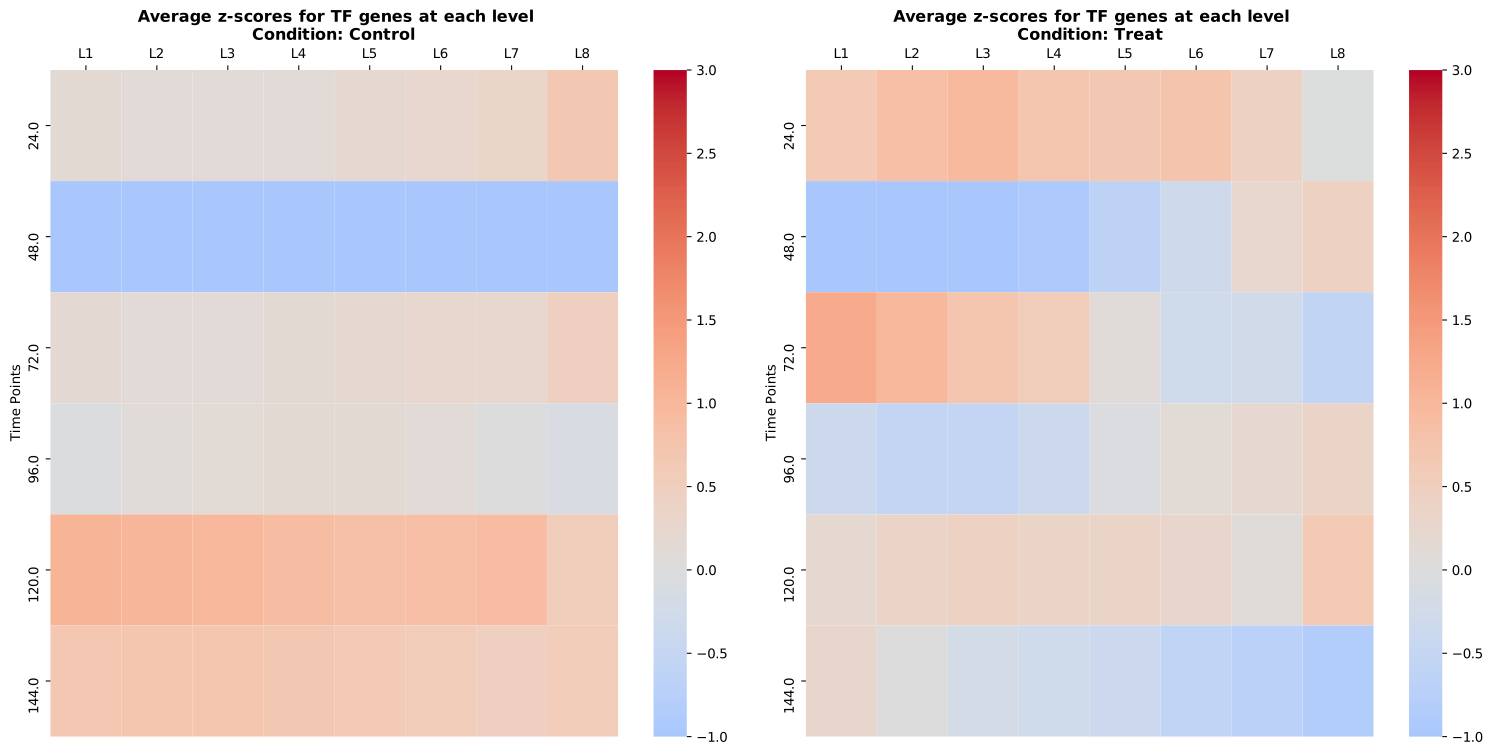
图2: 不同条件下各层级转录因子的平均表达模式热图
该热图展示了在不同实验条件下,各层级转录因子的平均表达模式:
- X轴:表示不同的调控层级(L1, L2, L3...)
- Y轴:表示时间点(按时间顺序排列)
- 颜色强度:表示标准化后的表达水平(z-score)
- 左侧热图:展示条件1(如Control)下的表达模式
- 右侧热图:展示条件2(如Treat)下的表达模式
2.3 网络节点文件 (nodes.xls)
该文件包含网络中所有转录因子节点的详细信息:
| TF gene ID | Level | Degree |
|---|---|---|
| Gene001 | L1 | 15 |
| Gene002 | L2 | 8 |
| ... | ... | ... |
其中:
- TF gene ID:转录因子基因标识符
- Level:该基因在TO-GCN中的层级(调控时序)
- Degree:该基因在网络中的连接度,反映其重要性
2.4 网络边文件 (edges.xls)
该文件包含网络中所有连接关系(边)的详细信息:
| source | target | PCC under [条件1] | PCC under [条件2] |
|---|---|---|---|
| Gene001 | Gene005 | 0.89 | 0.91 |
| Gene001 | Gene012 | 0.85 | 0.87 |
| ... | ... | ... | ... |
其中:
- source:源节点(转录因子)
- target:目标节点(转录因子)
- PCC under [条件1/2]:在两个条件下的皮尔逊相关系数
2.5 参数文件 (parameters.xls)
记录分析过程中使用的重要参数,包括相关系数阈值、种子基因等。
3. 双时间序列结果生物学解读
3.1 调控时序推断
TO-GCN 的核心结果是构建了一个时间有序的调控网络:
- L1 层级:包含最早发挥调控作用的转录因子,通常是响应外部刺激的初始调控因子
- 中间层级(L2, L3...):包含在调控级联中后续发挥作用的转录因子
- 高层级:包含在调控过程后期发挥作用的转录因子,可能负责精细调控或特定功能
解读提示: 关注L1层级的转录因子,它们可能是整个生物学过程的关键起始调控因子。结合这些基因的已知功能,可以推断整个调控网络的生物学意义。
3.2 关键转录因子识别
每个层级中标注的连接度最高的转录因子可能是该层级的关键调控因子:
- 这些高连接度转录因子在网络中具有重要的调控地位
- 它们可能作为该层级的"枢纽"基因,协调多个下游基因的表达
- 值得进一步研究这些关键转录因子的功能和调控机制
3.3 条件特异性表达模式
通过比较两个条件下的热图,可以识别:
- 保守调控模式:在两个条件下表达模式相似的层级,表明这些调控过程可能不受实验处理影响
- 条件特异性调控:在某一条件下表达模式发生改变的层级,可能揭示处理特异性的调控机制
- 时间动态变化:观察不同层级在不同时间点的表达变化,了解调控过程的动态特性
4. 双时间序列分析写作指导
4.1 Methods Section Example
4.2 Results Section Example
5. 进一步分析建议
5.1 功能富集分析
对不同层级的转录因子进行功能富集分析(GO、KEGG等),了解各层级的生物学功能:
- L1层级:可能富集在早期响应、信号转导等相关功能
- 中间层级:可能富集在过程特异性功能
- 高层级:可能富集在晚期效应、细胞分化或特定功能
5.2 网络可视化优化
将nodes.xls和edges.xls导入专业网络可视化工具(如Cytoscape)进行更详细的可视化分析:
- 根据层级属性设置节点颜色
- 根据连接度设置节点大小
- 根据相关系数设置边的粗细/颜色
- 使用布局算法优化网络展示
5.3 与其他数据的整合
将TO-GCN结果与其他组学数据整合:
- 与ChIP-seq数据整合,验证调控关系
- 与ATAC-seq数据整合,了解染色质可及性变化
- 与蛋白质互作数据整合,构建更全面的调控网络
注意事项: TO-GCN推断的是共表达关系,而非直接的调控关系。在解释结果时,应结合已有生物学知识或其他实验证据进行验证。
6. 参考文献
- Y. Chang, H. Lin, & W. Li, etc. (2019). Comparative transcriptomics method to infer gene coexpression networks and its applications to maize and rice leaf transcriptomes, Proc. Natl. Acad. Sci. U.S.A. 116 (8) 3091-3099, https://doi.org/10.1073/pnas.1817621116 .
- Gao, Y., Zhang, G., Wang, C., Xu, H., Yu, Z., Jiang, S., & Liu, Y. (2026). Wekemo Bioincloud 2026: An AI-enabled platform for standardized multi-omics data analyses. iMeta. https://doi.org/10.1002/imt2.70149
7. 工具与技术支持
本分析使用TO-GCN流程完成,原始方法描述见:
Y. Chang, et al. (2019). Comparative transcriptomics method to infer gene coexpression networks and its applications to maize and rice leaf transcriptomes. PNAS
分析在 Wekemo Bioincloud 平台完成:
Gao, Y., Zhang, G., Wang, C., Xu, H., Yu, Z., Jiang, S., & Liu, Y. (2026). Wekemo Bioincloud 2026: An AI-enabled platform for standardized multi-omics data analyses. iMeta.